
Top-Rated Products To Bring New Life To Hardwood Floors
Identify the most popular and effective products to help you restore and protect your hardwood flooring easily.
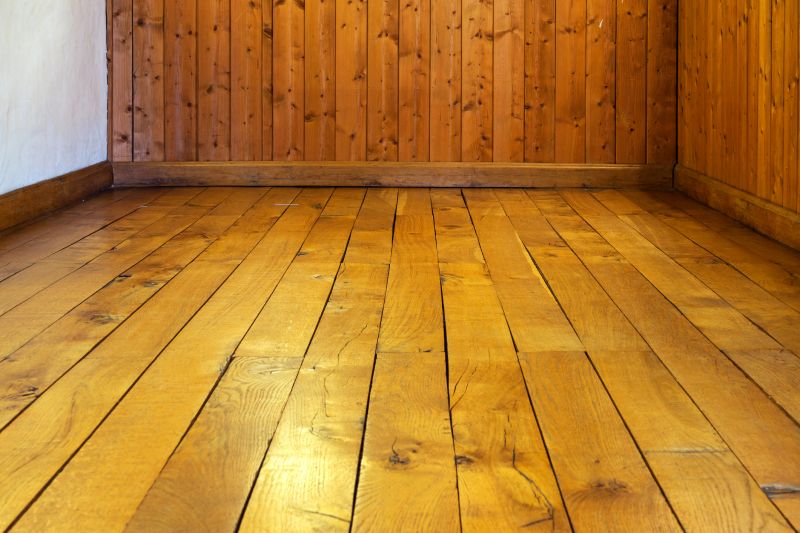 Restoring the natural beauty of hardwood floors involves a combination of cleaning, repairing, and refinishing processes. Over time, hardwood surfaces can accumulate scratches, stains, and general wear that diminish their appearance. Proper restoration products help to renew and protect these surfaces, extending their lifespan and enhancing their aesthetic appeal. From gentle cleaning solutions to more intensive refinishing kits, there are numerous options designed to address different levels of wear and damage.
Top Overall Option
Multi-Purpose Hardwood Floor Restorer
A versatile product designed to clean, shine, and lightly restore the appearance of hardwood floors without the need for extensive sanding or refinishing. It is suitable for use on various finishes and can help maintain the natural look of the wood while providing a protective layer. Ideal for routine maintenance and minor touch-ups, this type of product offers a convenient option for homeowners seeking a simple restoration solution.
Types of Products For Hardwood Floor Restorations
Wood Floor Cleaners
Specialized cleaning solutions formulated to remove dirt, grime, and residue without damaging the finish.
Floor Buffing Machines
Motorized devices used to polish and smooth the surface, enhancing shine and preparing for finishing products.
Sanding Discs and Abrasives
Abrasive tools for removing old finishes, scratches, and surface imperfections before refinishing.
Polyurethane and Finish Coatings
Protective layers that restore the surface's durability and appearance after sanding or cleaning.
Wood Fillers and Repair Kits
Products designed to fill in gouges, cracks, and holes, restoring a uniform surface.
Floor Polishes and Buffing Products
Products that add gloss and smoothness, enhancing the visual appeal of the floor.
Varnishes and Sealers
Barrier coatings that provide additional protection against wear and moisture.
Microfiber Cleaning Pads
Gentle cleaning tools suitable for regular maintenance and dust removal.
Stripping Solutions
Chemical agents used to remove old finishes before applying new coatings.
Edge Sanding Tools
Specialized tools for sanding close to walls and in tight corners.
Floor Repair Putty
A quick-setting compound for minor surface repairs.
Dust Containment Systems
Equipment to minimize airborne dust during sanding and refinishing.
Color Stains and Dyes
Products used to alter or match the wood tone during restoration.
Floor Strippers
Solutions designed to remove stubborn finishes or wax buildup.
Edge and Detail Sanders
Tools for precise sanding in detailed or hard-to-reach areas.
Popular Choices
Effective solutions for routine cleaning and light restoration that are widely used.
Popular for their ease of use in polishing and maintaining hardwood floors.
Commonly chosen for preparing surfaces before refinishing or applying new coatings.
Convenient options for applying protective finishes smoothly and evenly.
Preferred for quick repairs to minor surface damage.
Widely used tools for applying polish and achieving a glossy finish.
Popular for providing an additional layer of protection and shine.
Commonly selected for their gentle cleaning properties and ease of use.
Frequently used to remove old finishes before refinishing.
Favored for detailed work in tight corners and along edges.
Popular for quick fixes and minor surface repairs.
Preferred for reducing airborne dust during restoration projects.
Often used for touch-ups and blending repairs seamlessly.
Chosen for their effectiveness in removing old finishes with minimal mess.
Popular for precision work on intricate areas.
A successful hardwood floor restoration begins with assessing the condition of the surface. Light scratches and dullness may only require cleaning and polishing, while deeper gouges or worn finishes might need sanding and reapplication of protective coatings. Using the right products ensures that the process is effective and minimizes potential damage. It is important to select products compatible with the type of finish on the floor, whether it is oil-based, water-based, or polyurethane.
Additionally, the choice of tools and accessories plays a significant role in the outcome. High-quality applicators, buffers, and abrasives can make a noticeable difference in the ease and quality of the restoration process. Proper preparation, including cleaning and removing debris, sets the foundation for a successful project. Whether tackling minor touch-ups or complete refinishing, understanding the available product options helps homeowners and professionals achieve optimal results.
Investing in a comprehensive set of restoration products can simplify the process and lead to a more uniform and durable finish. While some products are suitable for DIY projects, others may require professional expertise. Carefully selecting the right combination of products ensures that the hardwood floors maintain their integrity and beauty for years to come.
Key Buying Considerations
- Compatibility with your specific hardwood finish type (oil-based, water-based, polyurethane).
- The level of wear or damage on your floors to select appropriate products.
- Ease of use and whether the product is suitable for DIY application or professional use.
- The drying or curing time associated with the product.
- Availability of accessories such as applicators, pads, or sanding discs.
- The environmental conditions in your space that might affect product performance.
- The desired finish appearance, such as matte, satin, or high-gloss.
- The product’s safety features, including low VOC content and non-toxic formulations.
- Reviews and ratings from other users to gauge effectiveness and satisfaction.
- Cost considerations relative to the scope of your restoration project.
- Compatibility with existing finishes to avoid adverse reactions.
- Availability of repair and touch-up products for ongoing maintenance.
- The level of surface preparation required before application.
- The potential need for professional tools or equipment for certain products.
- Storage and shelf life of the products for future use.